
by Morgan Collins
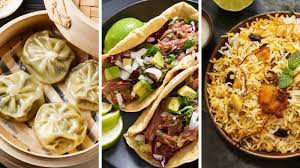
In recent years, Hamden High School has made long strides to make the school a more inclusive environment for all students. One of these strides has been the widely accepted Culture Day, which is aimed at allowing students to express their cultures in a welcoming environment. However, even with these advancements there is still work to be done to create a fully inclusive school environment. I released a survey to the student body asking their thoughts on how to increase the level of inclusion at Hamden High. The responses overwhelmingly stated to offer culturally relevant food options in the school cafeteria.
Now, our cafeteria only offers about four options daily which include salads, chicken sandwiches, pizzas, and a rotating meal. While these options are easy to make and keep warm, they do not reflect the cultures that reside at Hamden High. Studies show that many school lunches far exceed the recommended caloric sugar intake daily. This additional sugar in everyday diet can lead to serious cognitive problems when learning, such as memory deficiency. It is also important to note that healthy eating is not a “one-size-fits-all” topic and not everyone benefits from the American food pyramid. By only offering four identical daily meals, schools are denying students the ability to discover food groups that work for them. A simple solution to this problem is to offer meals in the cafeteria that are not inherently “American” and offer different levels of sugar, vitamins, and proteins.
Offering meals from various cultures in the school cafeteria comes with other benefits such as promoting cultural awareness, connecting students, and decreasing pickiness. By providing traditional dishes students will be able to acknowledge the dishes made by other cultures and have the opportunity to try them at a low cost. Frequently, children are only exposed to dishes from their own culture or dishes from cultures their parents enjoy. By placing more options on the table, their cultural view of food will expand. Additionally, cultural cuisine is an effective way to connect with students at our high school. Studies done by SWNS Media show that 84% of Americans believe that food is the fastest and easiest way to connect with people from other cultures. Finally, by offering these traditional meals to students and allowing them to try them they are more likely to choose meals different from the ones they are accustomed to later in life. The simple fact is that food is the one object that unites us all. To achieve a higher level of inclusion, let’s start with diversity in the cafeteria.
Discover more from The Dial
Subscribe to get the latest posts sent to your email.
 The Dial